

How to Win Attention Your Competitors Are Too Afraid to Get
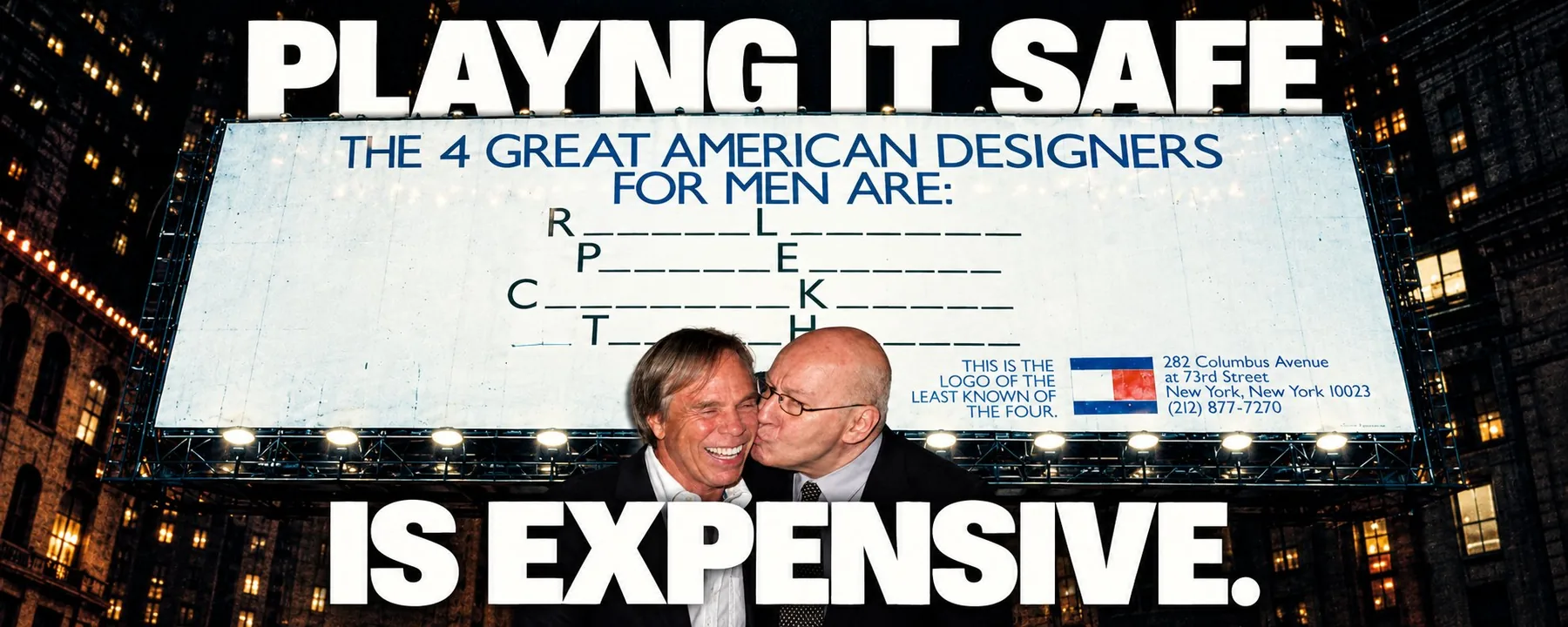
In marketing, playing it safe is really just expensive invisibility.
At my TikTok agency, one of the hardest parts of the job was convincing clients to do anything controversial. They wanted attention, but they were scared of backlash. Some wouldn’t even stray from their brand guidelines.
I understood it. They had built the company. It was their name on the work. I could see an opportunity; they could already hear the objections.
We never went viral for those clients. They wanted an exceptional response while restricting the ideas we could try.
A lot of companies overpay for attention because they refuse to pay in embarrassment.
A founder can approve a bigger marketing budget without having to explain themselves. Approving an idea their peers might find ridiculous is harder. They’ll have to stand behind it before they know whether it works.
A forgettable campaign is easier to defend. The typography is correct, the language is familiar, and anyone questioning it can be shown another respectable company doing something similar. It can pass every approval without giving a customer any reason to care.
That’s where I’d look for mispriced attention: the gap between what customers might respond to and what companies are willing to put their names on. Some opportunities stay available because the people who see them can’t tolerate the embarrassment of trying.
One of my favorite examples is George Lois’s campaign for Tommy Hilfiger.
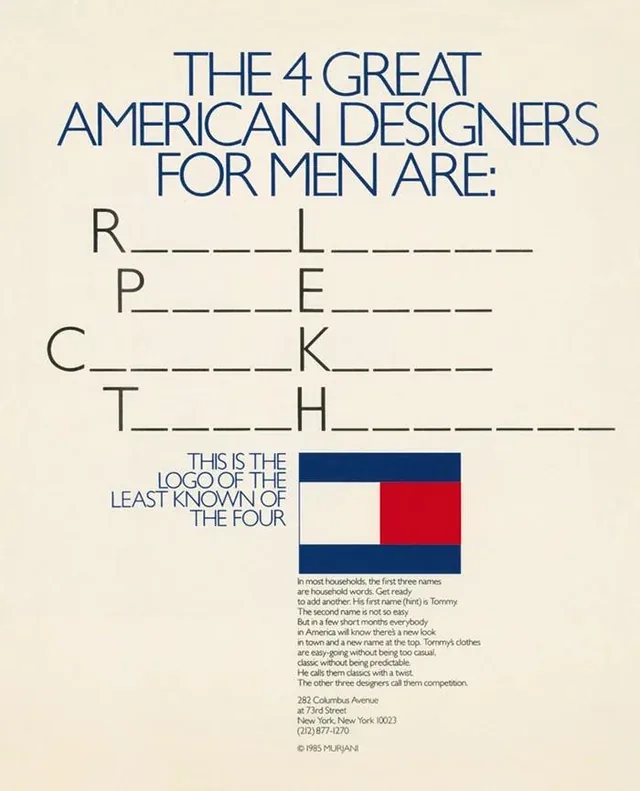
In 1985, Lois placed an almost unknown Hilfiger alongside Ralph Lauren, Calvin Klein, and Perry Ellis in a hangman-style ad naming four great American menswear designers. Three names were established. The fourth was Tommy.
Hilfiger hated the prospect of comparing himself with designers he admired. In his account of the campaign, he recalls the fashion world questioning his right to make the comparison.
To argue that Tommy Hilfiger didn’t belong alongside Ralph Lauren and Calvin Klein, people kept discussing Tommy Hilfiger alongside Ralph Lauren and Calvin Klein.
Lois had given people who would never recommend Tommy a reason to introduce him. Their objection carried the comparison he wanted customers to consider.
That’s what made the provocation useful. It started an argument about his standing as a designer. Someone curious about the dispute had a reason to look at the clothes.
The lesson is useful when you’re looking at an idea your team finds uncomfortable. I’d ask three questions.
Whose disapproval are you avoiding?
A customer who finds your promise dishonest has identified a problem you need to fix. Another founder who thinks your marketing is tacky has expressed a preference. Those reactions deserve different weight.
Something can look foolish inside an industry and make immediate sense to the people buying from it. Knowing your audience includes knowing when your peers are a poor substitute for them.
If you believe an idea is wrong, reject it. If you believe it could work but reject it because someone might laugh, be honest about whose judgment made the decision.
What will the reaction spread?
Imagine someone describing the campaign to a friend. What survives the retelling? Does it give the friend a reason to investigate your company? With Tommy, even a hostile explanation had to introduce him and the designers he was comparing himself to.
That’s the kind of attention I want: people having their own reason to mention the company after they close the app. The story can turn up at dinner, in a group chat, or when a colleague asks for a recommendation.
You may never trace that conversation back to one post. But requiring every post to produce an immediate sale can cause you to undervalue the work that gave people something worth repeating.
Can the product justify the attention?
In the video where Lois and Hilfiger recount the campaign, Lois calls his approach “seemingly outrageous.” The initial reaction should give way to an understanding of why the idea makes sense. He also warns that attracting attention to a bad product can accelerate its failure.
Hilfiger describes the embarrassment driving him to work obsessively on the clothes. He had made a public claim. Now the buttons, the fabric, and the fit had to justify it.
The idea still has to survive approval before any of this can happen. That was the difficult part at my previous agency. A brand guideline could settle a discussion before we’d really examined what the audience might find interesting.
Tommy almost refused the campaign that helped make his name famous. Had he said no, it would have been an ordinary decision to reject an uncomfortable idea. He would never have known what he’d turned down.
Would Tommy Hilfiger still be a household name? Maybe. We know the version of the story where he ran the ad.
How many founders have already said no to their version of it?